
Ancient Ruins & New Gear: First Impressions at Wroxeter Roman City
ROMEROMANWROXETERBATHS
Another opportunity to get out of the house and explore—and this week came with an added dose of excitement: taking a new camera out for its very first real-world test run!
Our destination was Wroxeter Roman City (Viriconium Cornoviorum) in Shropshire. Historically, it was once the fourth-largest civic settlement in Roman Britain, almost as large as Pompeii. Coming from mainland European Roman ruins, the visible remains above ground might seem relatively modest at first glance, but for Britain, it is one of the most significant archaeological sites in the country.
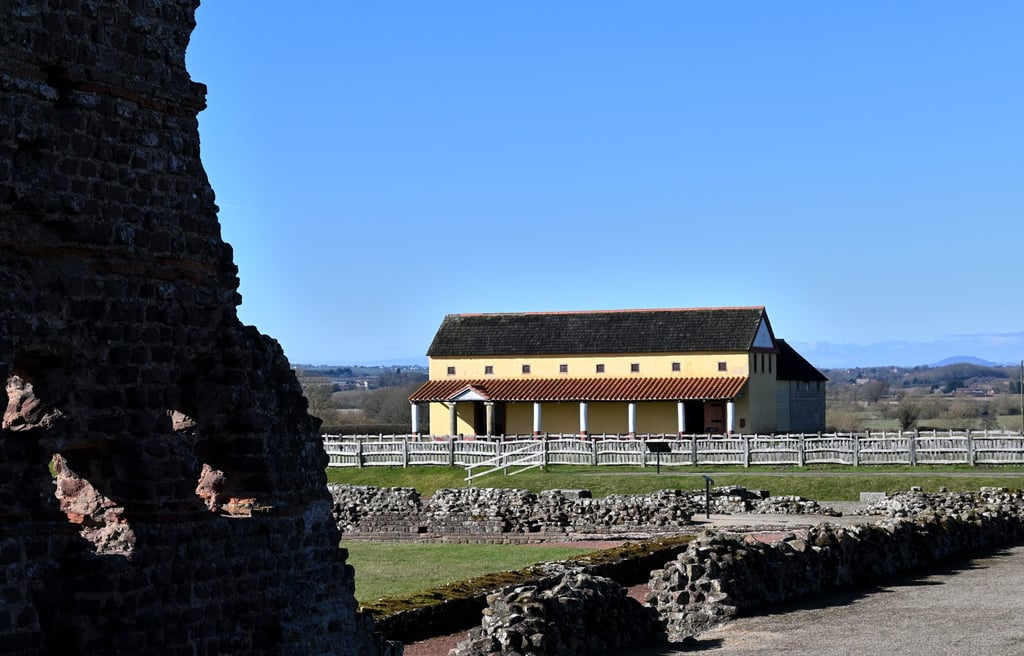
One of the most striking visual features on-site is the full-scale reconstructed Roman Villa Urbana (townhouse).
Built originally for the 2011 Channel 4 television series Rome Wasn't Built in a Day using authentic ancient building methods, it stands out sharply against the low stone foundations of the surrounding ruins.
Beyond the villa, the main ruin site features "The Old Work"—the largest piece of free-standing Roman masonry surviving in Britain—which formed part of the public baths complex. Beneath the floor level, you can clearly see the exposed pillars of the hypocaust, the ingenious Roman underfloor heating system where stacks of square tiles supported the floor above while allowing hot air from external furnaces to circulate below.
This trip marked my first official shoot moving from a traditional DSLR to a mirrorless system. It’s a transition that brings a whole new set of technical nuances to get used to.
Initial Challenges & Viewfinder Adjustment
EVF vs. Optical Viewfinder: Switching from an optical pentaprism to an Electronic Viewfinder (EVF) takes adjustment. Seeing minor screen refresh flicker or pixel resolution limits can be a bit distracting compared to looking through pure glass.
Rear Screen Distractions: Using the rear LCD screen isn't ideal in full outdoor daylight, as bright sunlight easily washes out screen colors and contrast.
Spectacle Distance: Wearing glasses holds your eye slightly off the rubber eyecup, making it trickier to see the full electronic frame edge-to-edge without shifting position.
The Big Upside
Live Exposure Preview: The single greatest advantage is seeing the live exposure, depth of field, and color balance inside the viewfinder before pressing the shutter button. No more guessing or checking the rear LCD after taking the shot!
(Update: Having used the camera extensively since this trip, the mirrorless workflow has become complete second nature. It’s funny how quickly a new system becomes your default normal!)
Photography Notes
Location: Wroxeter Roman City, Wroxeter, Near Shrewsbury, Shropshire.
Subject: Roman Architectural Ruins & Interior Villa Details.
Photographing Historical Masonry & Reconstructions:
Highlight Hypocaust Depth: Shoot subterranean heating channels from a low angle to show the repeating lines of tile pillars leading toward background ruins.
Balance Interior & Exterior Light: When photographing inside the reconstructed townhouse, use exposure compensation or exposure lock to avoid blowing out high-contrast light streaming through open courtyard doors and unglazed windows.