
Shunning the Slush: High-Contrast Florals at Ness Botanic Gardens
FLOWERGARDENNESS GARDENS
Our destination for this trip was Ness Botanic Gardens—and in a rare turn of events for the British climate, the sun was actively cooperating. Two bright, clear days in a row? Suspicious. I half-expected an official from the Met Office to tap me on the shoulder and explain there’d been a clerical error.
Nestled on the Wirral peninsula and proudly owned by the University of Liverpool since it was gifted to them in 1948, Ness isn’t just a beautiful place for an afternoon wander. It is still actively used for cutting-edge horticultural research and even hosts royal RHS masterclasses. So, while I was casually strolling around "plant spotting," other visitors were likely engaged in serious scientific endeavors—far removed from my strategy of pointing a camera at colorful things and hoping for the absolute best.
A heavy rain had passed through earlier in the week, meaning the ground still held that rich, deeply saturated look. The leaves looked freshly rinsed, and the landscape possessed that crisp, post-storm clarity—all without the actual inconvenience of being actively rained on. Ideal.
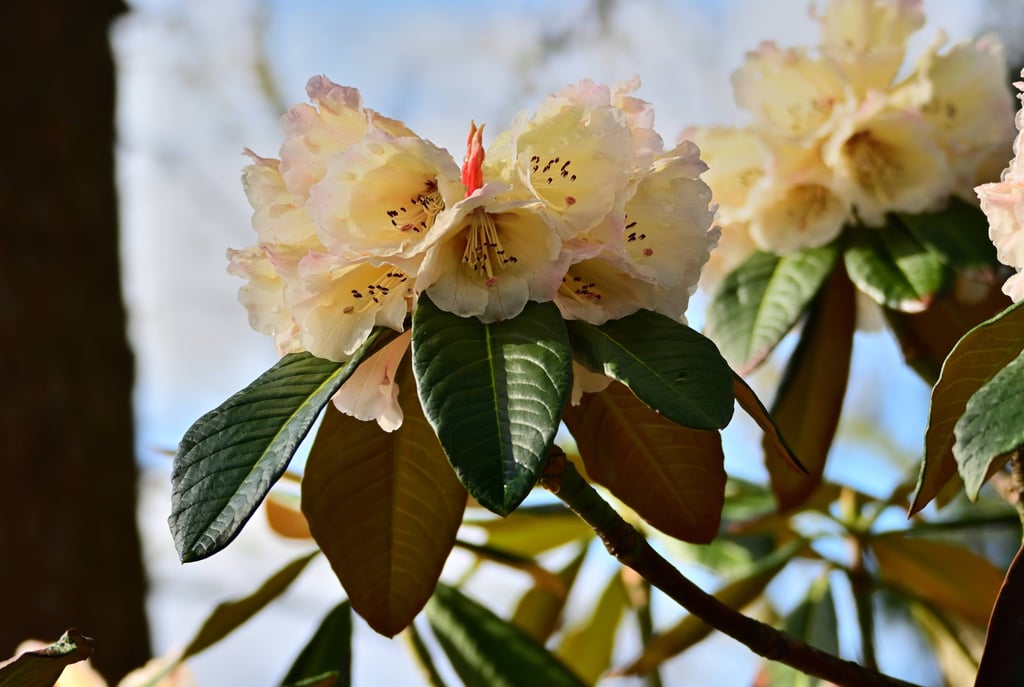
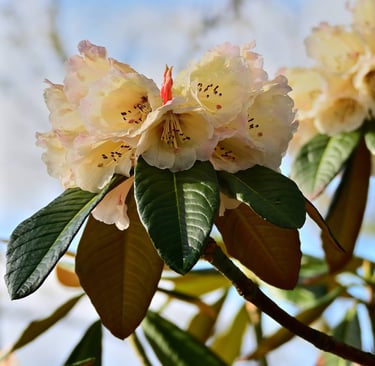
Full disclosure: I am not much of a gardener. I admire plants. I photograph plants. But I could not confidently identify most of them without frantic assistance from a smartphone app. This particular shot captures a vibrant rhododendron—a spelling I had to double-check, though I suspect most people with even a passing interest in landscaping would know it on sight. Still, wandering through the glasshouses and borders to see what’s in bloom is half the fun.
The winter snowdrops were just about clinging on, though they had that slightly exhausted, end-of-season droop. We’d visited Rode Hall the previous weekend for their annual Snowdrop Walk, and even there, the estate was declaring the display nearly finished. Snowdrops, it seems, are ruthlessly punctual. When they’re done, they’re done.
I also spotted a particularly vibrant purple anemone that caught my eye. It was beautiful in person, yet ultimately uninspiring through a viewfinder. Sometimes a subject is lovely in three dimensions but simply doesn’t translate onto a flat digital sensor. The rhododendron, however, offered a much stronger architectural structure and layered depth, making for a far more compelling geometric frame.
Photography Notes
Location: Ness Botanic Gardens, Wirral, Cheshire, England.
Subject: Rhododendron Blooms / Midday Botanical Close-ups.
Embracing Harsh Midday Light: Conventional photography wisdom dictates that harsh midday sun is problematic, creating excessive contrast, blown-out highlights, and deep, ink-black shadows. Personally, I’ll take it over a flat, grey, overcast sky any day of the week. Strong sunlight gives you raw material to work with. Contrast creates shape; shadows create drama. Overcast light, by comparison, flattens everything into a state of polite mediocrity.
The Silhouette Risk: Shooting floral macros in direct, low-angle sun requires careful physical positioning. Angles and backgrounds matter immensely. There is an ever-present risk of casting your own shadow directly across the petals. Nothing breaks the illusion of professional nature photography quite like a faint, ghostly outline of a photographer hovering directly over a delicate flower.